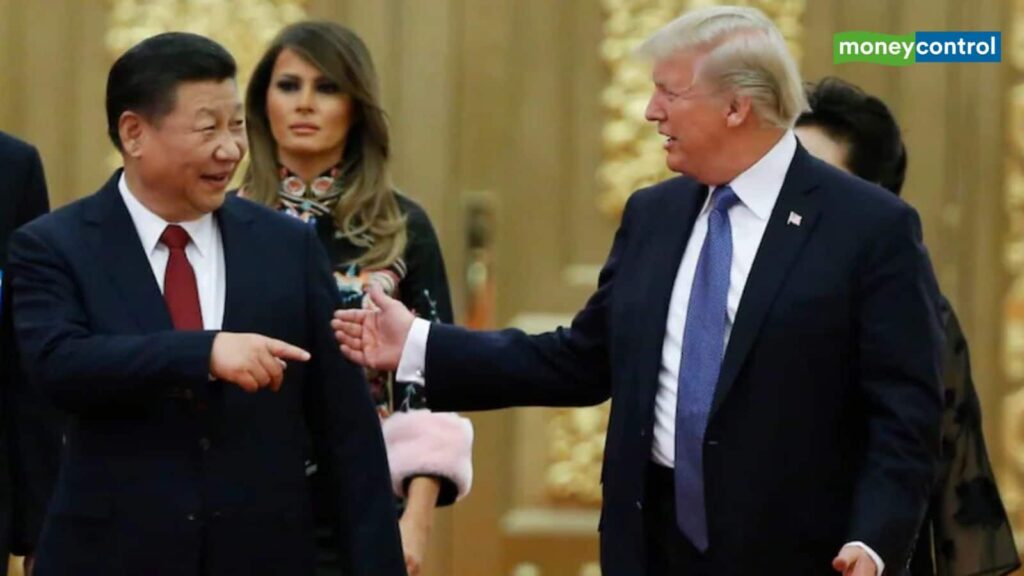
In recent developments, former President Donald Trump has made significant claims regarding a new trade agreement between the United States and China. This potential agreement is set to reshape economic relations between the two powerhouses, focusing on critical resources and educational access.
Details of the Proposed Trade Agreement
The ambitious trade deal suggests that China will provide the United States with rare earth elements, a group of 17 minerals essential for various high-tech applications. In return, the U.S. will offer Chinese students access to American universities, enhancing educational ties.
What are Rare Earth Elements?
Rare earth elements (REEs) are crucial for the production of various technologies. They are widely used in electronics, renewable energy, and defense sectors. This deal could have substantial implications for both economies, especially in reducing U.S. dependence on foreign minerals.
Educational Exchange Benefits
By allowing Chinese students greater access to American universities, the proposed agreement could foster stronger cultural and academic ties. This access can lead to an increase in international collaborations and mutual understanding, preparing a global workforce equipped for future challenges.
The Importance of Approval
The execution of this trade agreement relies heavily on approval from Chinese President Xi Jinping. His endorsement is essential to formalize the terms and ensure that the agreement aligns with both nations’ strategic interests.
Geopolitical Implications
This trade agreement could significantly impact global geopolitics, particularly in the context of U.S.-China relations. Collaboration on critical resources may lead to a more stable economic environment but also raise questions about trade dependencies and national security.
Potential Challenges
While the prospect of a new trade agreement is promising, several challenges may arise. These include:
| Challenge | Description |
|---|---|
| Regulatory Hurdles | Compliance with domestic regulations and trade laws may complicate the agreement. |
| Public Opinion | Public sentiment regarding trade with China remains contentious in the U.S., which could influence political support. |
| Implementation Issues | Logistical challenges in coordinating the exchange of resources and access may arise. |
Conclusion
This proposed trade agreement between the United States and China represents a potential shift in economic relations, focusing on critical resources and educational collaboration. However, the successful implementation of this agreement hinges on approval from key political figures and the ability to navigate various challenges. As these developments unfold, the global consequences will likely resonate across multiple sectors and markets.
