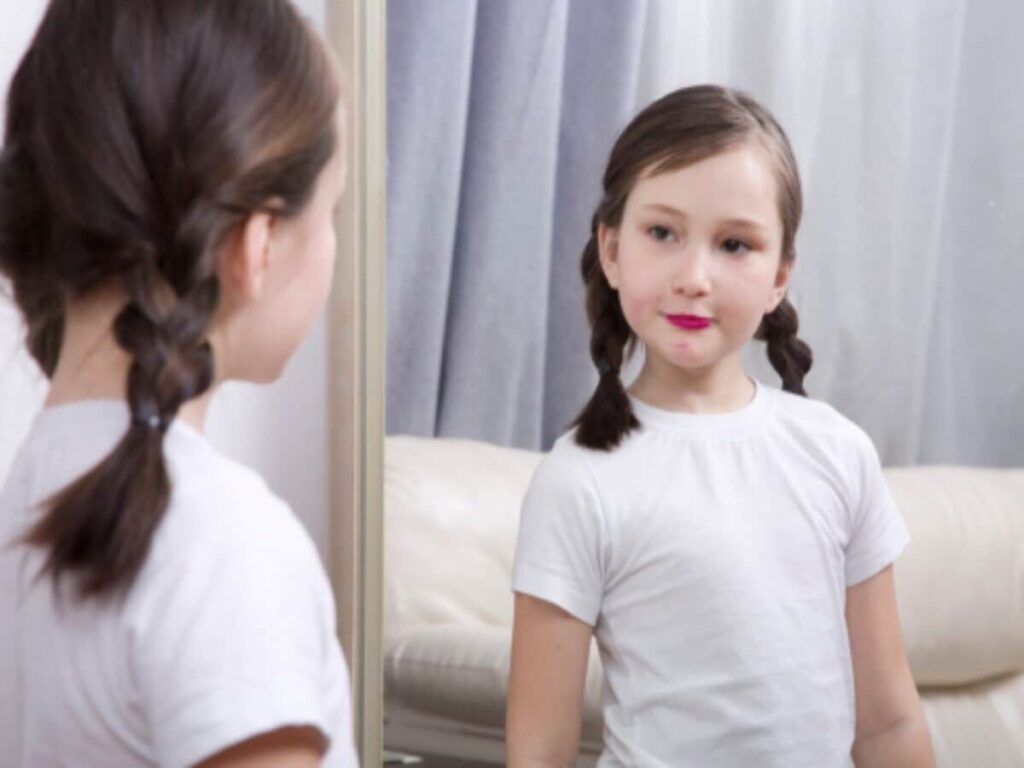
In recent years, significant changes have been observed in the onset of puberty among young girls. Typically, girls would begin to experience their menstrual periods and related physical changes between the ages of 11 and 13. However, studies have shown that these changes are now occurring as early as 8 to 9 years old. This article explores the factors contributing to this trend and its implications for young girls.
Understanding Puberty and Its Phases
Puberty is a critical developmental phase in which children undergo various physical, emotional, and hormonal changes. This process generally includes breast development, the onset of menstruation, and other bodily changes. Understanding puberty’s stages can help parents and guardians provide the necessary guidance and support.
Stages of Puberty
| Age Range | Physical Changes | Emotional Changes |
|---|---|---|
| 8-9 years | Breast buds, pubic hair | Increased sensitivity, mood swings |
| 10-11 years | Development of curves, starting menstruation | Heightened self-awareness, anxiety |
| 12-13 years | Full breast development, body hair | Search for identity, peer influence |
Factors Influencing Early Puberty
Several factors contribute to the observed trend of early puberty in girls, including:
1. Nutrition
Today’s diet is rich in processed foods and hormones, leading to early pubertal development. Increased consumption of high-calorie diets and fast food contributes to obesity, which is linked to early menstruation.
2. Environmental Influences
Exposure to environmental pollutants and endocrine disruptors, such as chemicals found in plastics, can interfere with hormonal development and accelerate puberty.
3. Genetics
Family history plays an essential role. If mothers have experienced early puberty, their daughters may also face similar experiences.
4. Psychological Factors
Stressful environments, family dynamics, and emotional disturbances can trigger early puberty as the body reacts to psychological stressors.
Implications of Early Puberty
The implications of early puberty can be extensive. Early maturity can affect a girl’s physical health, emotional well-being, and social interactions. Schools and parents must work together to educate and support young girls through this challenging transition.
Conclusion
Understanding the factors leading to early puberty in girls is essential for fostering a supportive environment. By addressing nutritional, environmental, genetic, and psychological aspects, we can help young girls navigate this significant developmental phase with care and guidance. Awareness and education are vital to ensuring their health and well-being as they grow and develop.
