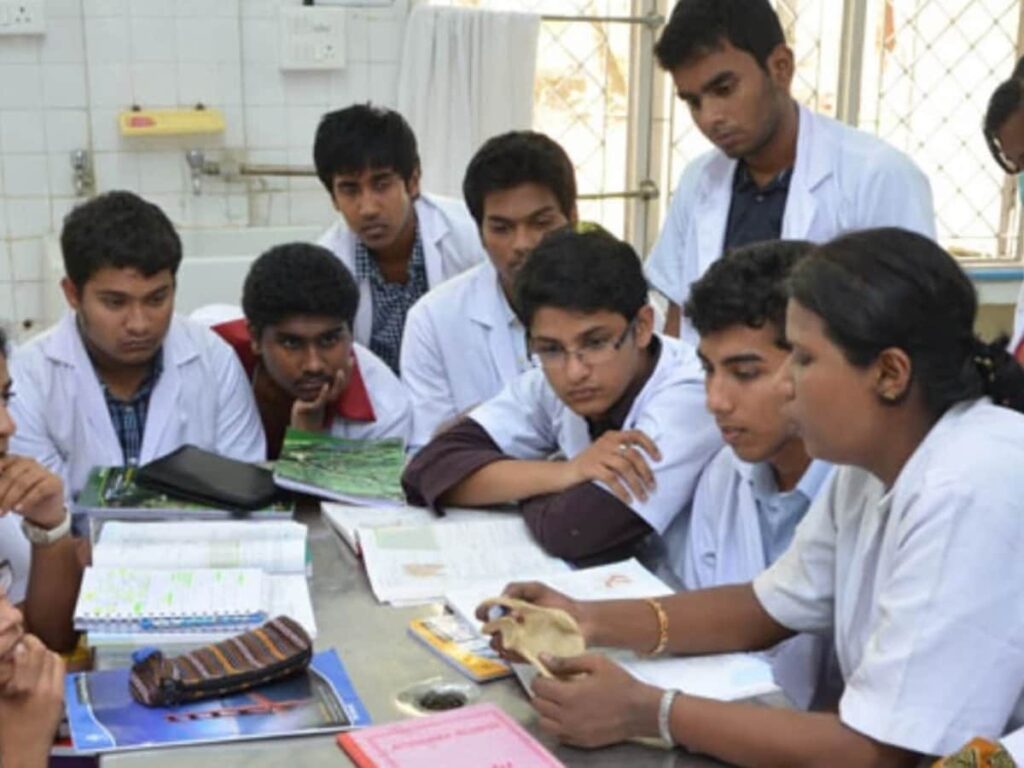
The Supreme Court of India recently made a strong statement regarding the transparency of fee structures and stipends in medical colleges across the country. This led the National Medical Commission (NMC) to issue a directive requiring all medical institutions to publicly disclose their course-wise fees and stipend details within a week. Failure to comply with this order may result in severe consequences for the colleges involved.
Importance of Transparency in Medical Education
Transparency in medical education is crucial for several reasons, including ensuring fair access to educational opportunities and preventing exploitation of students. The recent directive from the NMC aims to address these concerns by fostering an environment of openness and accountability.
Impacts of the NMC Directive
- Increased Accessibility: By making fee structures public, prospective students can make informed choices based on their financial capabilities.
- Reduced Corruption: Transparency can help reduce the chances of illegal or unethical practices related to fee hikes and unannounced charges.
- Standardization: The NMC aims to promote uniformity in fee structures across medical colleges, enabling fair competition.
Consequences of Non-Compliance
Medical colleges that fail to comply with the NMC’s directive may face stringent actions, which could include:
| Violation | Potential Consequences |
|---|---|
| Failure to Disclose Fees | Financial penalties and scrutiny from regulatory bodies |
| False Representation | Legal actions leading to possible revocation of accreditation |
| Unjustified Fee Increases | Immediate review and potential sanctions from NMC |
Conclusion
The directive from the NMC in response to the Supreme Court’s remarks highlights a significant shift towards promoting transparency in medical education in India. By ensuring that all medical colleges disclose their fee structures and stipends, the NMC is working towards creating a fair and equitable environment for aspiring medical professionals. This move not only benefits students but also helps maintain the integrity of the medical education system as a whole.
