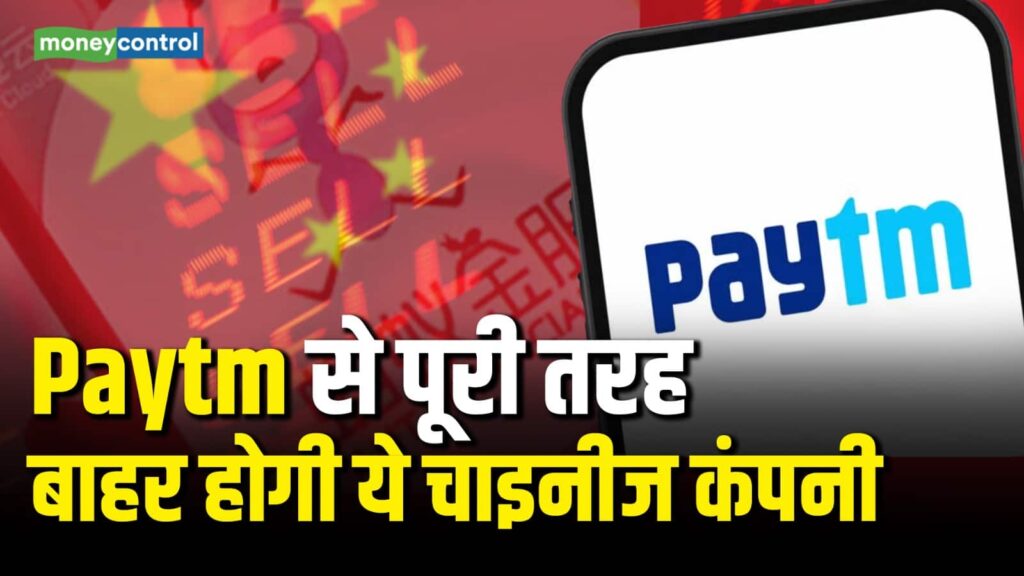
In a significant development in the Indian e-commerce and digital payments landscape, Antfin, an affiliate of China’s Alibaba Group, is poised to divest its entire stake in Paytm. This decision follows a trend where Antfin has been gradually reducing its holdings in the fintech giant. Various factors are influencing this move, and understanding them is crucial for stakeholders and market observers.
Overview of Paytm’s Market Position
Paytm, founded in 2010, has emerged as one of India’s leading digital payment platforms. The company provides a wide array of services including mobile recharges, utility bill payments, financial services, and an e-commerce marketplace. As of 2023, Paytm holds a substantial market share, but it faces stiff competition from various players in the fintech and e-commerce sectors.
Antfin’s Dwindling Stake in Paytm
The Gradual Exit Strategy
Antfin’s decision to sell its entire stake in Paytm is not instantaneous but part of a long-term strategy. Over the past few years, Antfin has been systematically reducing its holdings, indicating a strategic pivot that aligns with its global investment strategy.
Reasons for the Stake Sale
Several factors may be contributing to Antfin’s decision to exit its investment in Paytm:
- Market Performance: Paytm has seen fluctuating stock performance since its IPO, which has raised concerns among investors regarding its growth trajectory.
- Regulatory Developments: Changes in regulatory frameworks in India can impact foreign investments, potentially prompting Antfin to reassess its investment portfolio.
- Strategic Refocusing: Antfin may be considering other markets or ventures that align more closely with its long-term objectives.
Implications of the Stake Sale
The exit of a significant shareholder like Antfin could have numerous implications for Paytm:
- Investor Sentiment: Market perception could be impacted, either positively or negatively, as investors react to the news of Antfin’s exit.
- Stock Performance: Many analysts predict potential volatility in Paytm’s stock once the transaction is finalized.
- Future Investments: The stake sale could open avenues for new investors looking to invest in a company with potential turnaround prospects.
The Future of Paytm
Looking ahead, Paytm’s management will need to navigate this change proactively. There are opportunities for the company to innovate and expand its service portfolio further. Emphasis on customer experience, technology upgrades, and strategic partnerships could play crucial roles in strengthening Paytm’s market position.
Conclusion
In conclusion, Antfin’s decision to sell its entire stake in Paytm marks a pivotal moment in the Indian fintech landscape. As the company moves forward, it must address the challenges posed by this transition while tapping into new growth strategies to enhance investor confidence. The outcome of this stake sale will not only affect Paytm but could also influence the broader fintech industry’s direction in India.
