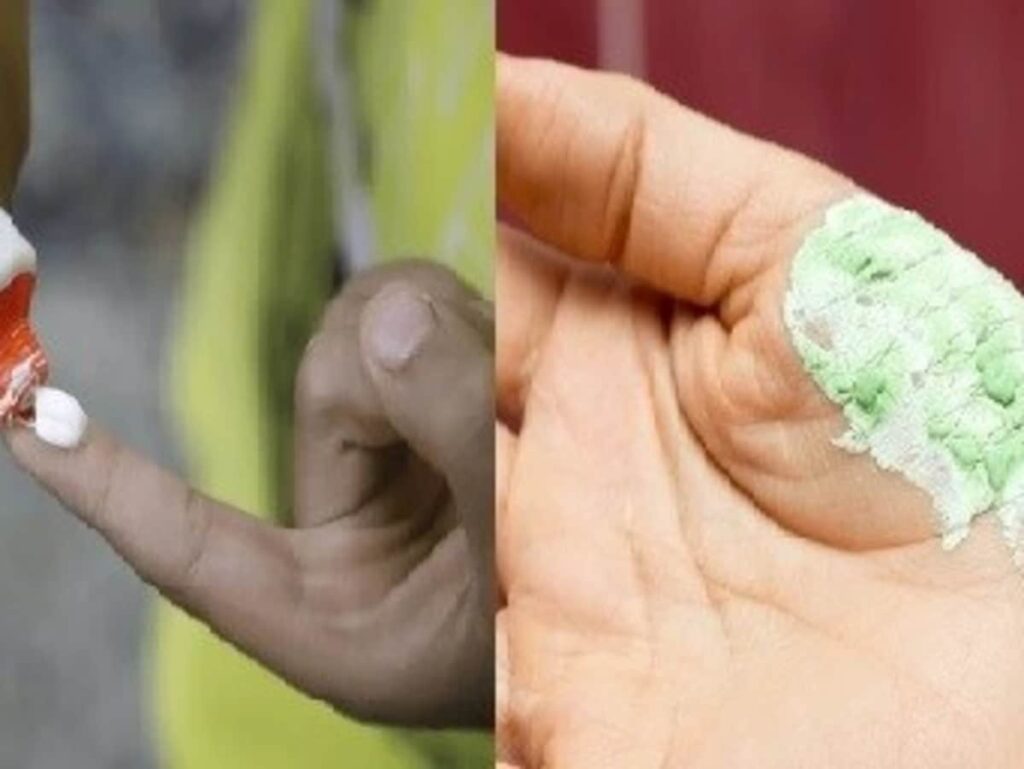
Burns, whether minor or severe, are common accidents that can occur in the kitchen while cooking. Many people have an inclination to apply home remedies, such as toothpaste, to soothe the pain and promote healing of burned skin. However, this common practice may not be as effective or safe as believed. In this article, we will explore the potential side effects of using toothpaste on burned skin and alternatives that may be more beneficial.
Understanding Burns and Their Healing Process
Burns are classified into three categories based on their severity:
- First-Degree Burns: Affect only the outer layer of skin, causing redness and minor pain.
- Second-Degree Burns: Affect both the outer and underlying layer of skin, resulting in blisters and severe pain.
- Third-Degree Burns: Extends deeper, affecting all layers of skin and potentially damaging tissue; these require medical attention.
The Common Misconception about Toothpaste
Toothpaste is often seen as a quick remedy due to its cooling effect and accessibility. However, several factors can render toothpaste a poor choice for treating burns:
Potential Side Effects of Applying Toothpaste on Burns
| Side Effects | Description |
|---|---|
| Skin Irritation | Toothpaste contains abrasive substances and chemicals that may irritate the delicate skin of a burn. |
| Allergic Reactions | Some components, such as flavoring agents or preservatives, can provoke allergic reactions, leading to redness and swelling. |
| Infection Risk | Covering a burn with a substance not designed for wound care increases the risk of infection. |
| Delayed Healing | Using toothpaste can create a barrier that prevents oxygen from reaching the injured area, slowing down the healing process. |
Safe Alternatives for Treating Burns
Instead of reaching for toothpaste, here are safer and more effective alternatives for treating burns:
- Cool Water: Rinse the burn under cool (not cold) running water for 10 to 20 minutes to help reduce pain and heat.
- Aloe Vera: Known for its soothing properties, aloe vera gel can help hydrate the burn area and prevent infection.
- Over-the-Counter Creams: Look for antiseptic creams or gels specifically formulated for burn treatment.
- Loose Bandaging: Cover the burn with a breathable bandage to protect it from irritants while still allowing air circulation.
When to Seek Medical Attention
While minor burns can often be treated at home, it is crucial to know when to seek medical help. You should consult a healthcare professional if:
- The burn is larger than three inches or is located on the face, hands, feet, or over a major joint.
- The burn appears white, charred, or has blisters that cover a significant area.
- You experience severe pain, signs of infection, or fever.
In conclusion, while it may be tempting to use toothpaste as a quick fix for burns, the potential side effects far outweigh any perceived benefits. It’s essential to prioritize proper wound care practices and opt for safe alternatives to ensure effective healing and minimize discomfort. Always remember that when in doubt, consulting a healthcare professional is the best course of action.
