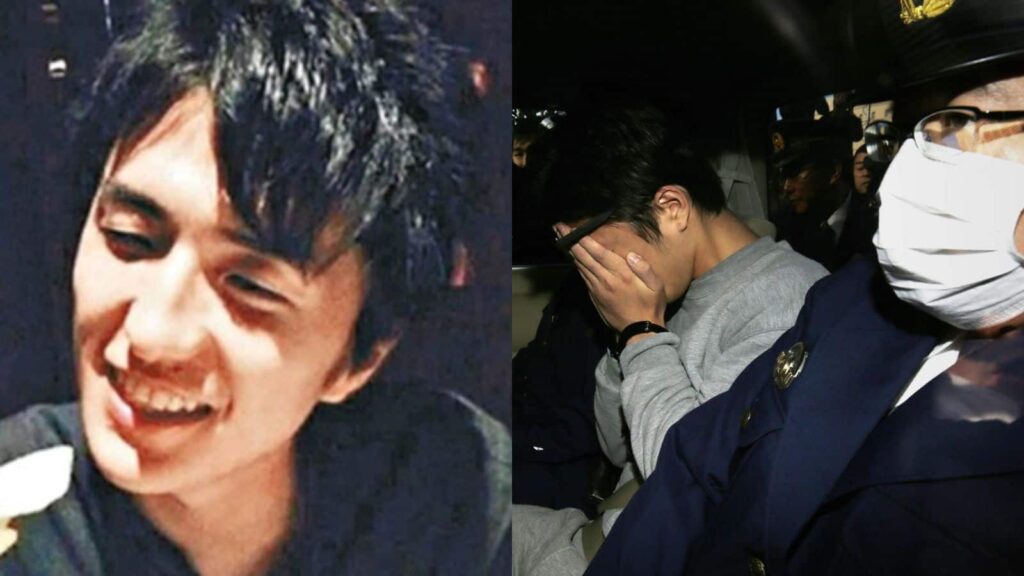
In August 2017, Takahiro Shiraishi began a chilling series of events after renting an apartment in the city of Zama, Kanagawa Prefecture. Through his Twitter account, he expressed a desire to help those in distress, inviting them to direct message him for support. However, what started as an invitation for help morphed into a series of heinous crimes that captured the attention of media and law enforcement alike.
The Initial Encounter
Shiraishi utilized social media platforms to connect with individuals who were expressing feelings of despair and loneliness. His approach seemed genuine, as he presented himself as someone willing to offer assistance to those in emotional turmoil. The facade he created drew several vulnerable individuals to him, unaware of his true intentions.
Understanding Shiraishi’s Motives
Upon closer examination, it becomes clear that Shiraishi exploited the vulnerabilities of others. His motives appeared to stem from a desire for notoriety and an unsettling curiosity about death. By presenting himself as a savior, he gained the trust of his victims, leading them to his apartment under false pretenses.
The Horrific Crimes
Once the victims arrived at his apartment, the situation turned dire. Shiraishi’s crimes included kidnapping, murder, and dismemberment, leading to the tragic loss of multiple lives. His heinous actions shocked the nation and raised serious concerns regarding online safety and mental health support.
The Aftermath and Legal Proceedings
In November 2017, law enforcement apprehended Shiraishi after discovering the remains of his victims in his apartment. The subsequent investigation led to widespread media coverage and a public outcry for stricter measures related to online interactions, especially pertaining to mental health. Shiraishi was eventually tried and convicted for his crimes, prompting discussions on the complexities of human psychology and the impact of societal isolation.
Lessons Learned
| Aspect | Details |
|---|---|
| Vulnerability of Individuals | Many individuals struggling with mental health issues are at risk of exploitation on social media. |
| Need for Support | Online platforms must improve support systems for vulnerable individuals to avoid predatory behavior. |
| Awareness and Education | Educational programs should promote awareness about the risks of sharing personal struggles online. |
In conclusion, the chilling case of Takahiro Shiraishi serves as a stark reminder of the dangers that can arise from online interactions, particularly for those who are vulnerable. It highlights the urgent need for improved mental health support and greater awareness of predatory behaviors on social media platforms. As society continues to navigate the complexities of digital communication, it is imperative to prioritize the safety and well-being of individuals seeking help.
