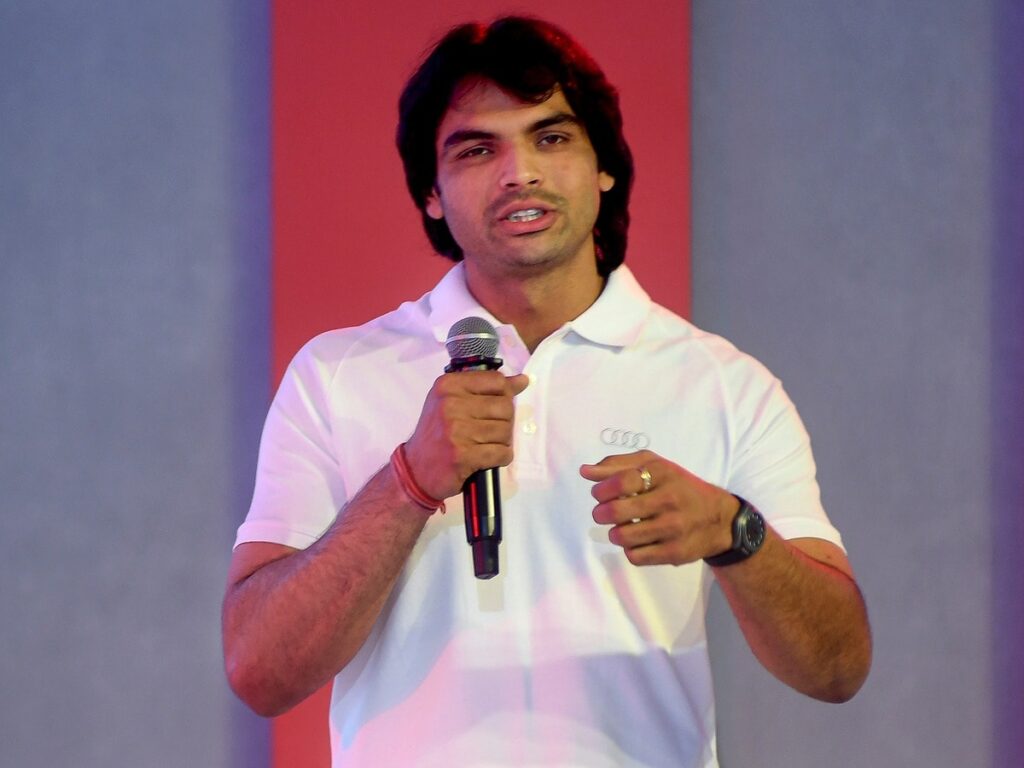
In light of the escalating tensions between Pakistan and neighboring regions, the inaugural NC Classic tournament, which was set to commence on May 24, has been officially postponed. This event, specifically focused on the javelin throw, marks a significant addition to the athletics calendar, showcasing some of the most talented athletes in the sport. The decision to delay the tournament underscores the challenges faced by sporting events in politically volatile environments.
Impact of Political Tensions on Sports
Sports often serve as a unifying force, but when political tensions rise, they can significantly disrupt planned events. The NC Classic was anticipated not only for its competitive spirit but also for its potential to foster goodwill among participating nations. Below are some aspects highlighting the impact of such tensions on sports events:
1. Safety Concerns
One of the primary reasons for postponing sporting events in regions fraught with political instability is safety. Athletes, officials, and spectators must feel secure in their environment. If tensions are peaking, the risks associated with hosting large gatherings increase substantially.
2. Financial Implications
The postponement or cancellation of sporting events can lead to significant financial loss for organizers and local economies. Sponsorship deals, ticket sales, and media rights cannot be fully realized when events are called off.
3. International Relations
Sporting events can act as diplomatic tools. When tensions are high, the opportunity for countries to engage in peaceful competition is lost, which can further entrench divisions. The NC Classic was seen as a potential step towards reconciliation, making its postponement disappointing on multiple fronts.
What’s Next for Athletes and Organizers?
With the postponement of the NC Classic, it’s essential to consider the next steps for athletes and organizers. Here’s how different stakeholders can navigate this situation:
For Athletes
- Maintaining Training Regimens: Athletes should continue their training to stay prepared for future competitions.
- Participating in Alternate Events: Seeking opportunities in other local or international competitions can help maintain competitive edge.
For Organizers
- Reassessing Scheduling: Finding a suitable date for the tournament, considering both local conditions and athlete availability.
- Enhancing Safety Protocols: Developing robust safety measures for future events to ensure participant and spectator confidence.
Conclusion
The postponement of the NC Classic due to the rising tensions in the region serves as a reminder of the delicate balance between sports and politics. While it is disappointing for athletes and fans alike, the decision prioritizes safety and well-being. As the situation evolves, it is crucial for organizers to remain flexible and proactive in finding new dates and ensuring the event can still fulfill its potential to bring nations together through the spirit of competition.
