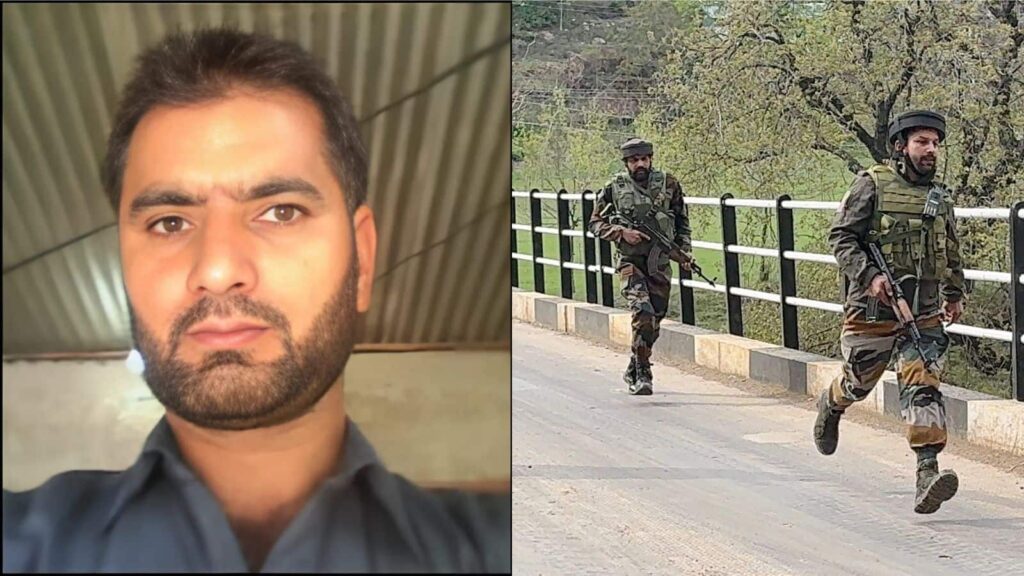
The Pahalgam terror attack has cast a long shadow over the security landscape of India, highlighting the ongoing threat posed by cross-border terrorism. In recent years, the region has witnessed an alarming surge in such incidents, prompting both local and national security forces to intensify their efforts to counter these challenges. This article delves into the details of the attack, the individuals involved, and the broader implications for national security.
Overview of the Pahalgam Terror Attack
On the fateful day of the attack, a group of terrorists was able to infiltrate Indian territory, allegedly with the assistance of a local operative named Farooq Tedwa. This infiltration points to a complex network of coordination that exists between local collaborators and foreign terrorist organizations. The attack was not only a tragic loss of life but also a direct challenge to the security apparatus of the region.
Details of the Attack
During the Pahalgam incident, a total of 26 individuals were killed, which included a Nepali national. The attack took place in the picturesque Baisaran Valley, a place that is popular among tourists but has now become a site of tragedy. The brutal assault has raised serious concerns about the safety of both locals and visitors in a region that is vital to India’s tourism sector.
Involvement of Local Operatives
The involvement of Farooq Tedwa underscores the role of local operatives in facilitating terrorist activities. His house in Kalaroos, Kupwara, was one of the ten structures demolished by security forces in a decisive response to the terror threat. The demolition serves not only as a punitive measure but also as a strategic move to dismantle the infrastructure that supports terrorism.
Security Measures and Response
In the wake of the Pahalgam attack, security forces have ramped up their operations throughout the region. Increased patrolling, intelligence gathering, and community engagement initiatives are part of a broader strategy aimed at preventing future incidents. The focus has shifted to building resilience within local communities, which are often the first line of defense against terrorist infiltration.
Government Initiatives
The Indian government has introduced several initiatives aimed at combating terrorism and improving regional safety. These include:
| Initiative | Description |
|---|---|
| Community Policing | Engaging local communities to improve trust and cooperation with law enforcement agencies. |
| Intelligence Sharing | Enhancing coordination between various security agencies for timely information exchange. |
| Counter-Radicalization Programs | Implementing educational and outreach programs to counter extremist narratives. |
Broader Implications for National Security
The Pahalgam terror attack is indicative of a larger issue affecting national security, particularly in regions prone to cross-border terrorism. The collaboration between local operatives and foreign terrorist groups poses a persistent challenge. The need for a comprehensive strategy that includes intelligence operations, community engagement, and international cooperation is more pressing than ever.
Conclusion
The tragic events in Pahalgam serve as a reminder of the challenges that India faces in combating terrorism. With local operatives like Farooq Tedwa working in tandem with foreign terrorists, the threat remains significant. Strengthening security measures, engaging communities, and fostering a united front against terrorism will be crucial for securing the peace and stability of the region. As India navigates these complex challenges, a multi-faceted approach will be essential for safeguarding its citizens and preserving the integrity of its borders.
