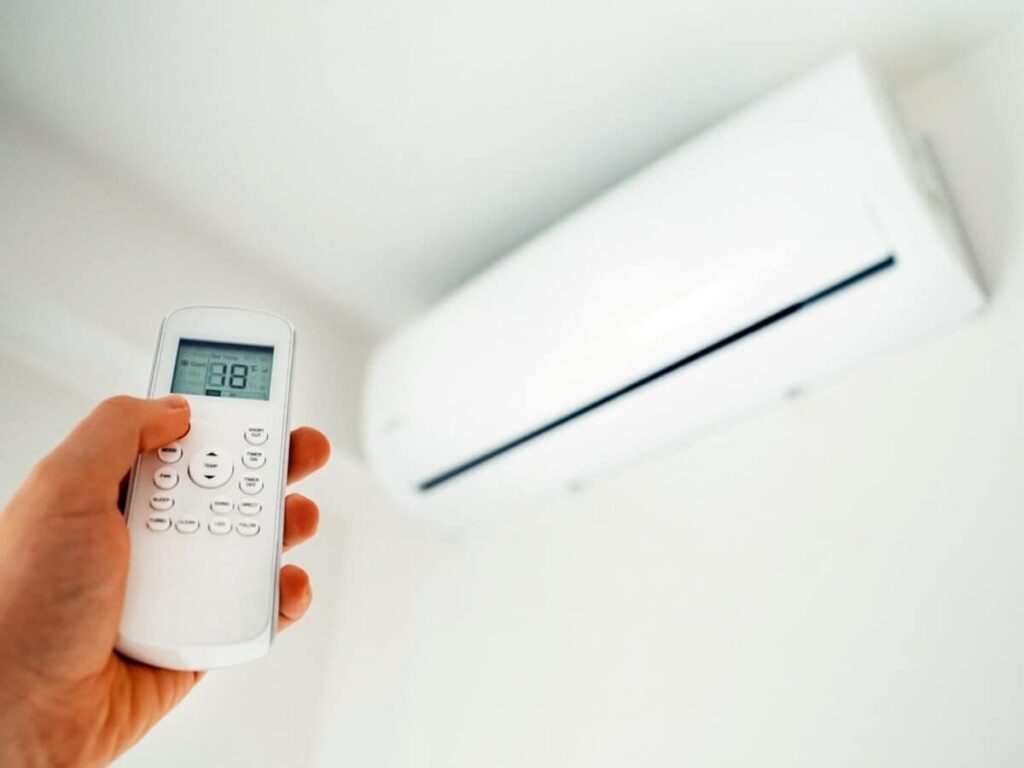
During the sweltering summer months, many individuals find themselves dependent on air conditioning for relief from the heat. However, the comfort of cooling often comes with the burden of high electricity bills. By following a few simple guidelines, you can effectively manage your air conditioning usage, maintain a comfortable indoor climate, and reduce your energy expenses.
Optimal Air Conditioner Settings
One of the most effective strategies for reducing energy costs while maximizing comfort is to set your air conditioning unit to an optimal temperature.
Recommended Temperature Settings
| Temperature Setting (°F) | Comfort Level | Estimated Energy Savings (%) |
|---|---|---|
| 78°F | Comfortable for most | 20-25% |
| 75°F | Cool but may require a fan | 10-15% |
| 70°F | Cool for low humidity days | 5-10% |
Energy-Efficient Practices
Aside from setting the right temperature, implementing energy-efficient practices can significantly lower your cooling costs during the summer.
1. Regular Maintenance
Make sure to schedule regular maintenance for your air conditioning unit. This includes cleaning or replacing filters, checking for leaks in ductwork, and ensuring that the condenser coils are clean. A well-maintained system operates more efficiently and can lead to lower energy bills.
2. Use Programmable Thermostats
Installing a programmable thermostat allows you to set specific cooling schedules for different times of the day. This way, your AC can operate less when the house is empty or when you are sleeping, further reducing energy consumption.
3. Utilize Fans and Ventilation
Ceiling fans can help circulate cool air throughout your home, allowing you to raise your thermostat setting a few degrees while still maintaining comfort. Proper ventilation during cooler parts of the day can also help reduce the need for air conditioning.
4. Insulate Your Home
Proper insulation plays a crucial role in keeping your indoor space cool. Ensure that your windows and doors are sealed properly, and consider using thermal curtains to block out sunlight during the hottest parts of the day.
5. Limit Heat-Generating Appliances
Avoid using heat-generating appliances, such as ovens and dryers, during the hottest times of the day. Opt for grilling outdoors or using a microwave instead to minimize additional heat in your home.
Conclusion
In conclusion, managing your air conditioning usage during the hot summer months doesn’t have to lead to exorbitant energy bills. By adjusting your temperature settings, performing regular maintenance, utilizing energy-efficient practices, and improving your home’s insulation, you can enjoy a comfortable environment while keeping your costs down. These strategies not only enhance your comfort but also contribute to overall energy conservation, making it better for both your wallet and the environment.
