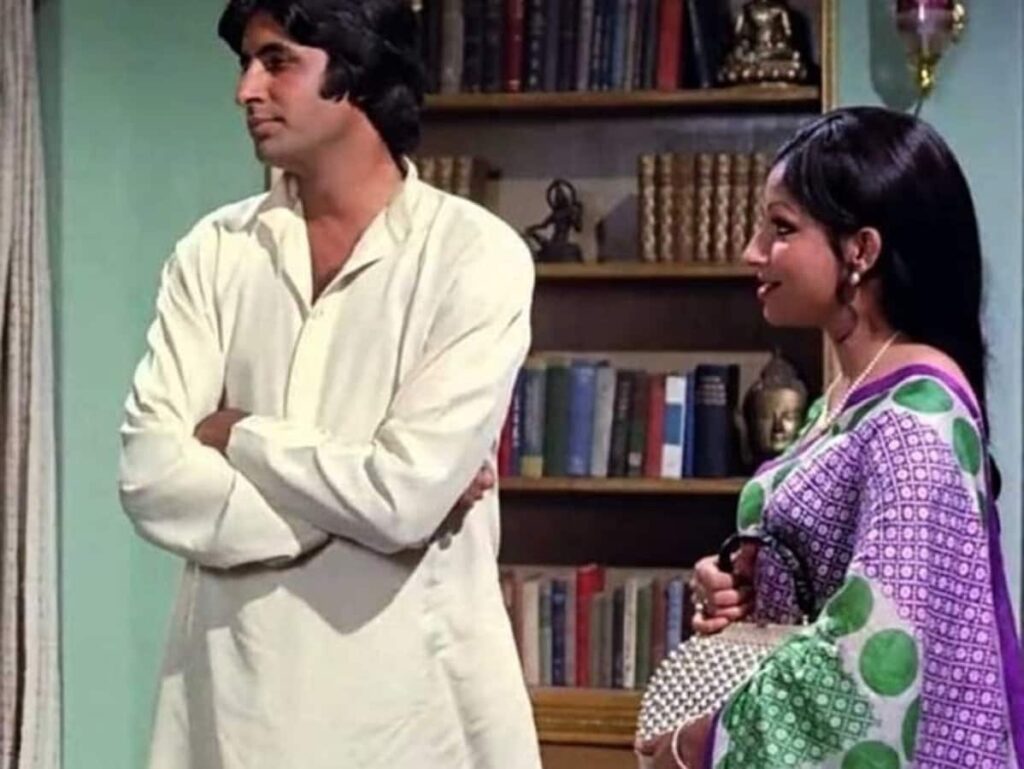
Sharmila Tagore, the legendary Indian actress, recently shared her thoughts in an interview about her iconic film “Chupke Chupke,” which has now completed 50 years since its release. This light-hearted comedy holds a special place in her heart, reflecting not only her experience as an actress but also the essence of Indian cinema that has evolved over the decades. In her conversation, she also touched upon her relationship with fellow actors Amitabh Bachchan and Jaya Bachchan, showcasing the camaraderie that exists within the industry.
A Look Back at “Chupke Chupke”
“Chupke Chupke,” directed by Hrishikesh Mukherjee, was released in 1975 and is considered a cult classic in Indian cinema. The film features an ensemble cast including Dharmendra, Sharmila Tagore, Amitabh Bachchan, and Jaya Bachchan. Its witty dialogues and clever plot centered around a practical joke make it a timeless favorite among audiences.
The Charm of Comedy
The comedy genre in Indian cinema has evolved greatly over the years, but “Chupke Chupke” remains a benchmark for its unique storytelling. Sharmila Tagore’s performance as Sulekha showcased her versatility as an actress, blending humor with heartfelt moments. The film’s comedic approach to relationships adds a layer of charm that continues to resonate with viewers even today.
Sharmila Tagore on Amitabh and Jaya Bachchan
In her interview, Tagore fondly reminisced about her co-stars Amitabh Bachchan and Jaya Bachchan. She emphasized that their camaraderie extended beyond the screen, with moments of joy and laughter during the film’s shooting. The strong bond they share has transformed into lifelong friendships, further enriching their legacy in the film industry.
The Legacy of “Chupke Chupke”
Fifty years on, “Chupke Chupke” has left an indelible mark on Indian cinema. Its influence can be seen in contemporary films that strive to capture the same spirit of humor and love. The film is often revisited during celebrations and family gatherings, proving its enduring appeal across generations.
Cinematic Impact and Modern Context
| Aspect | Original Film (1975) | Modern Films |
|---|---|---|
| Genre | Comedy | Varied (often genre-blending) |
| Storytelling Style | Simple and relatable | Complex narratives with multiple timelines |
| Character Development | Rich and memorable | Dynamic, often with backstories |
| Humor | Witty, situational | Dark, slapstick, and situational |
As audiences continue to explore cinematic offerings, the timelessness of classics like “Chupke Chupke” is a reminder of the simple joys of storytelling through humor. Sharmila Tagore’s reflections on the film and its casts illuminate the rich history of Indian cinema and the connections forged within it.
Conclusion
Sharmila Tagore’s insights into “Chupke Chupke” not only celebrate a film that has provided laughter and joy to millions but also honor the relationships formed in the heart of Indian cinema. As we remember this classic, it encourages us to appreciate the artistry involved in filmmaking and the importance of camaraderie in creating enduring cinematic treasures.
