How small businesses can price services without guessing
Price a service from your real cost, add value where it is justified, and test higher numbers on new clients before a full increase.
Most small businesses set prices by copying a competitor and shaving a little off. That works until a busy month shows the work is selling at a loss. Pricing is a calculation, not a guess, and you can do the whole calculation in one afternoon.
Start with your real cost per hour
Work out what one hour of your time actually costs to deliver. Add materials, travel, software subscriptions and insurance. Add the share of rent, power and phone bills that belongs to the job. Then add the hours you spend on quotes, follow-ups and paperwork, which customers never see.
Divide the total by the billable hours you truly get in a month, not the hours you hope for. The answer is often uncomfortable, and it is the number that decides whether you have a business or an expensive hobby.
Cost-plus and value pricing
Cost-plus pricing takes that cost and adds a margin. It is simple, safe and easy to defend when a client pushes back. Value pricing starts from the outcome the client gets - time saved, a problem solved, a risk avoided - and can be far higher than cost plus.
Most small firms need both. Use cost-plus as your floor so you never quote below it. Use value pricing on work where the result is easy to describe and easy to measure.
Signs it is time to raise prices
- Your costs have risen and you have not adjusted in a year or more.
- You are fully booked and turning work away.
- Clients keep asking for more than you originally scoped.
- You dread certain jobs because they never pay enough.
Raise prices for new clients first. It is the lowest-risk move, and it tells you quickly whether the market accepts the new number.
Quote so the price is never a surprise
Write down what is included, what is not, and what triggers an extra charge. Put an expiry date on the quote so you are not held to last year's rate. A clear quote prevents the argument that costs you the most, the one about scope.
Keep a simple record of every quote and whether you won it. Small business support portals such as msme.gov.in publish templates and scheme information for owners. After a few months your own records will show which prices win and which ones lose.
The bottom line: price above your real cost, test higher numbers on new clients, and change one thing at a time.
More in Business
 Photo: Wikimedia Commons (CC BY 2.0)
How to set payment terms that get you paid on time
Set your own payment terms, print an exact due date, and follow up on a fixed rhythm. Here is what the law allows when a business pays late.
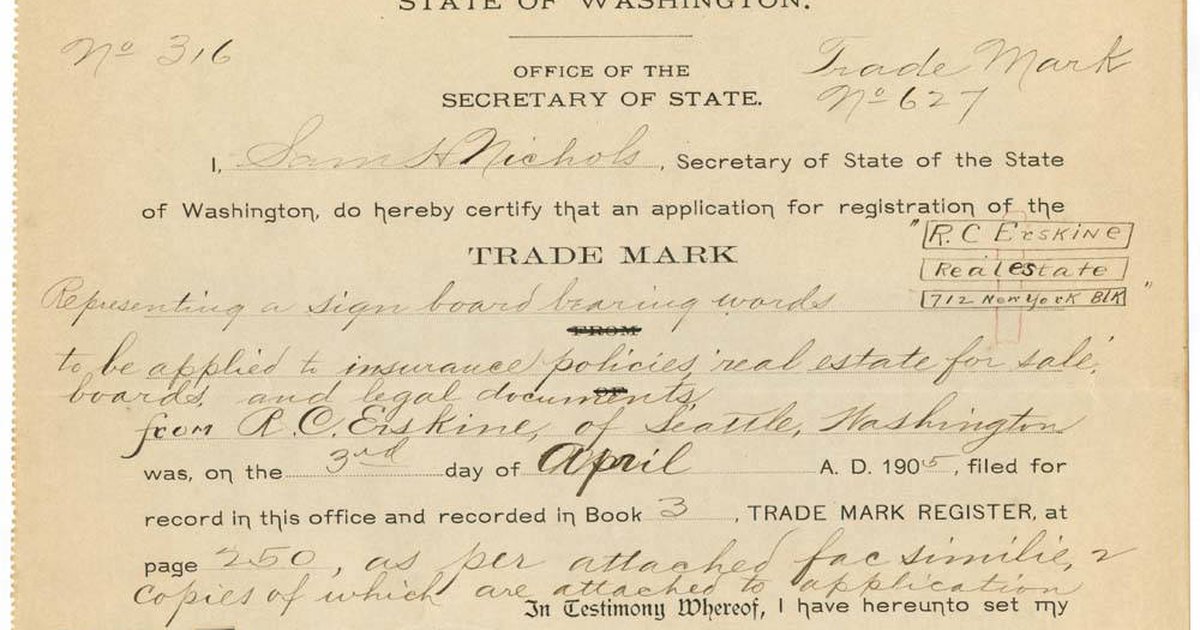 Photo: Wikimedia Commons (Public domain)
How to check a brand name before you commit to it
Search company registers and trademark databases in the right order, and know what a clean search can and cannot promise before you spend on branding.
How to build a cash flow forecast that holds up
A cash flow forecast tracks when money arrives and leaves, so a short month shows up early, while there is still time to do something about it.