HRBusiness
How to read a profit and loss statement
A profit and loss statement lists sales and costs and shows what is left over. Here is how to read each line down to net profit without an accounting degree.
What a rule, a price or a contract actually means for a small business - explained without the jargon, with the source linked.
8 stories
A profit and loss statement lists sales and costs and shows what is left over. Here is how to read each line down to net profit without an accounting degree.
Liability, tax, paperwork and how you raise money all follow from the structure you pick. Here is how sole traders, companies and partners compare.
 Photo: Wikimedia Commons (CC BY 2.0)
Set your own payment terms, print an exact due date, and follow up on a fixed rhythm. Here is what the law allows when a business pays late.
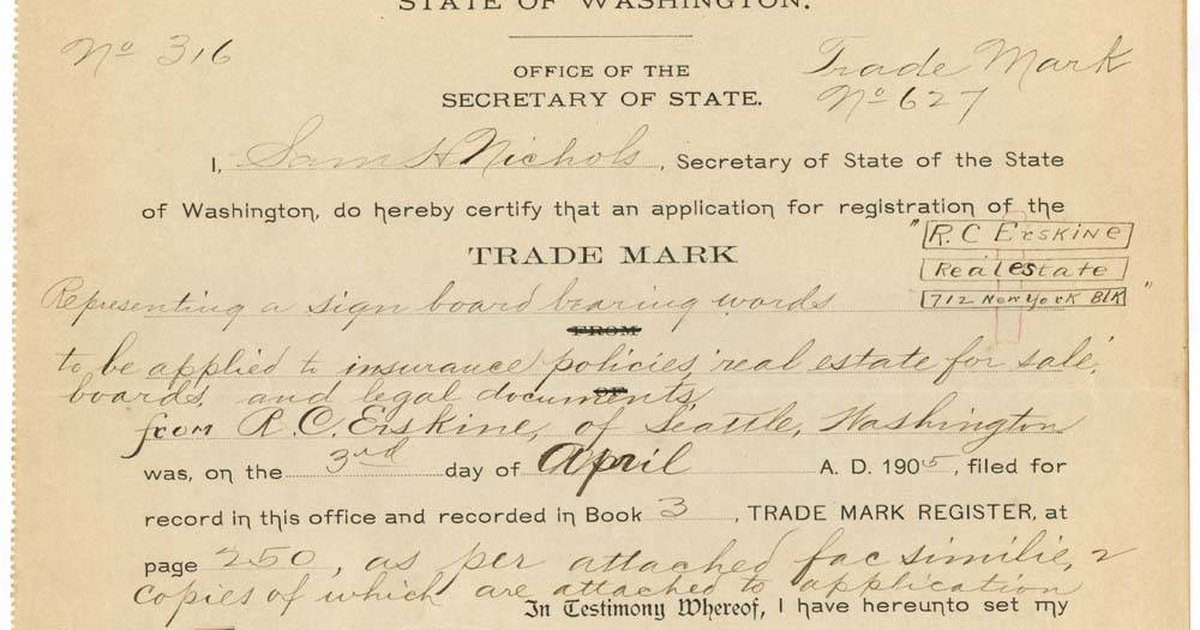 Photo: Wikimedia Commons (Public domain)
Search company registers and trademark databases in the right order, and know what a clean search can and cannot promise before you spend on branding.
A cash flow forecast tracks when money arrives and leaves, so a short month shows up early, while there is still time to do something about it.
Dilution, liquidation preference and control decide what a first term sheet really costs a founder, and which clauses are worth negotiating.
Price a service from your real cost, add value where it is justified, and test higher numbers on new clients before a full increase.
Retention rules depend on the record, the country and the business type. Here is what companies, sole traders and US businesses need to keep.