WTAuto
What the six levels of driving automation really mean
The 0 to 5 scale says who is driving, not how safe the car is. Here is what each level asks of the person behind the wheel, and where the handover gets hard.
Owning and running a car without panic: warning lights, maintenance, fuel and the money side of motoring, in plain words.
7 stories
The 0 to 5 scale says who is driving, not how safe the car is. Here is what each level asks of the person behind the wheel, and where the handover gets hard.
A grade like 5W-30 packs two ratings into one short code. One describes how the oil flows when cold, the other how it behaves at running temperature.
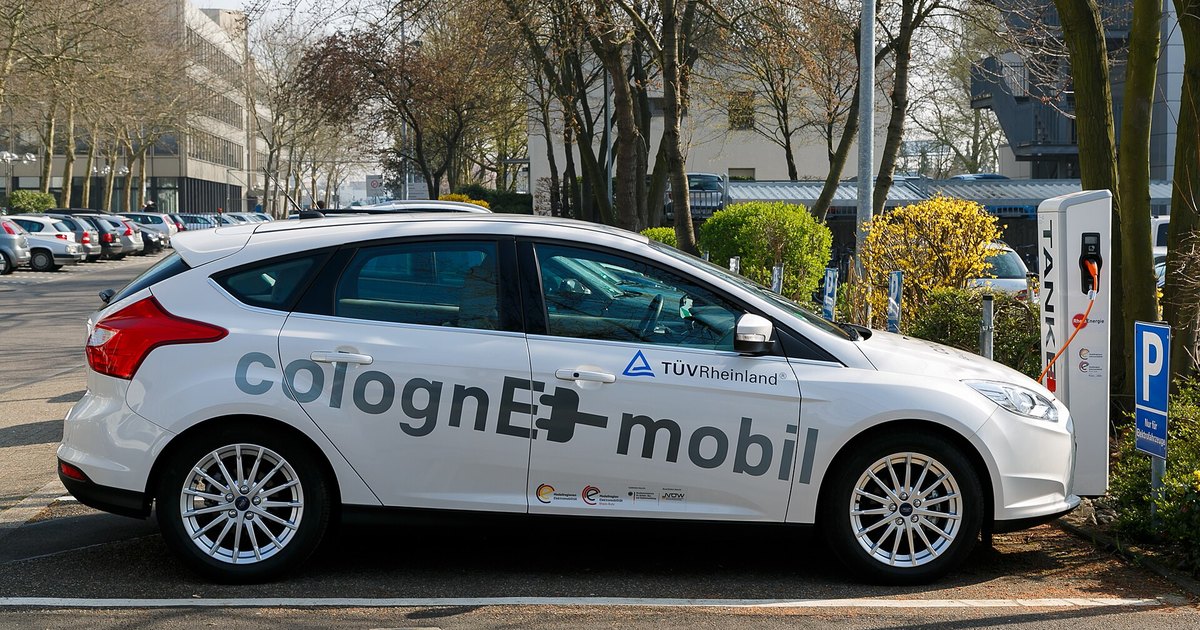 Photo: Wikimedia Commons (CC BY-SA 3.0)
Charging speed is not decided by the charger alone. The car's onboard charger, the battery's condition and the supply each set a limit.
Warning lights are grouped by colour: red means stop safely now, amber means check soon, and green usually means a system is simply on.
Service intervals set when wear items get attention. Following the schedule in your handbook is the cheapest way to keep a car reliable.
Tread, pressure and sidewall condition decide how a car behaves in the wet. A short monthly walk-around catches most tyre problems early.
Official fuel figures come from standardised tests, so real driving uses more. A few habits and conditions explain most of the difference.