Tyre wear and the checks that keep you safe
Tread, pressure and sidewall condition decide how a car behaves in the wet. A short monthly walk-around catches most tyre problems early.
Tyres are the only parts of a car touching the road, and they wear slowly enough for problems to hide in plain sight. A short monthly check covers what matters: tread depth, pressure, damage and uneven wear.
Why tread depth matters
Tread grooves channel water out of the contact patch. As they wear shallow, a tyre clears less water, so braking distances grow and the risk of aquaplaning on standing water rises sharply. Legal minimums differ between countries and between car and motorcycle tyres, so check the rule where you drive instead of copying a figure from another market. A tread gauge, or the wear bars built into the grooves, shows how much is left.
Pressure is the quiet one
Under-inflated tyres run hot, wear at the edges and increase fuel use. Over-inflated tyres wear in the centre and reduce grip. Check pressures when the tyres are cold, using the figures on the door pillar or fuel flap rather than the maximum printed on the sidewall. Pressure also falls in cold weather, so a check after a cold snap is worth doing.
Signs to look and feel for
- Uneven wear: inner or outer edge wear points to alignment or suspension problems.
- Cracks and bulges: sidewall damage cannot be repaired safely, so the tyre needs replacing.
- Embedded objects: screws, stones, and any cut deep enough to reach the cords.
- Vibration: a shake through the steering can mean a balance problem or a damaged tyre.
Making the check a habit
Pick one day a month and check the car after it has been parked for a few hours. Walk around it with the engine off and look at all four tyres plus the spare, then check pressures and top up. Rotate tyres as the handbook recommends, so the pair doing the steering and most of the braking does not wear out first. Tyre safety charities such as tyresafe.org publish free check guides, and road authorities such as nzta.govt.nz set out the rules that apply in their market.
Bottom line: tread, pressure and sidewall condition are a few minutes of work that decide whether a wet road stays manageable. Check monthly, and replace anything damaged instead of waiting for the next service.
More in Auto
What the numbers on a motor oil bottle really mean
A grade like 5W-30 packs two ratings into one short code. One describes how the oil flows when cold, the other how it behaves at running temperature.
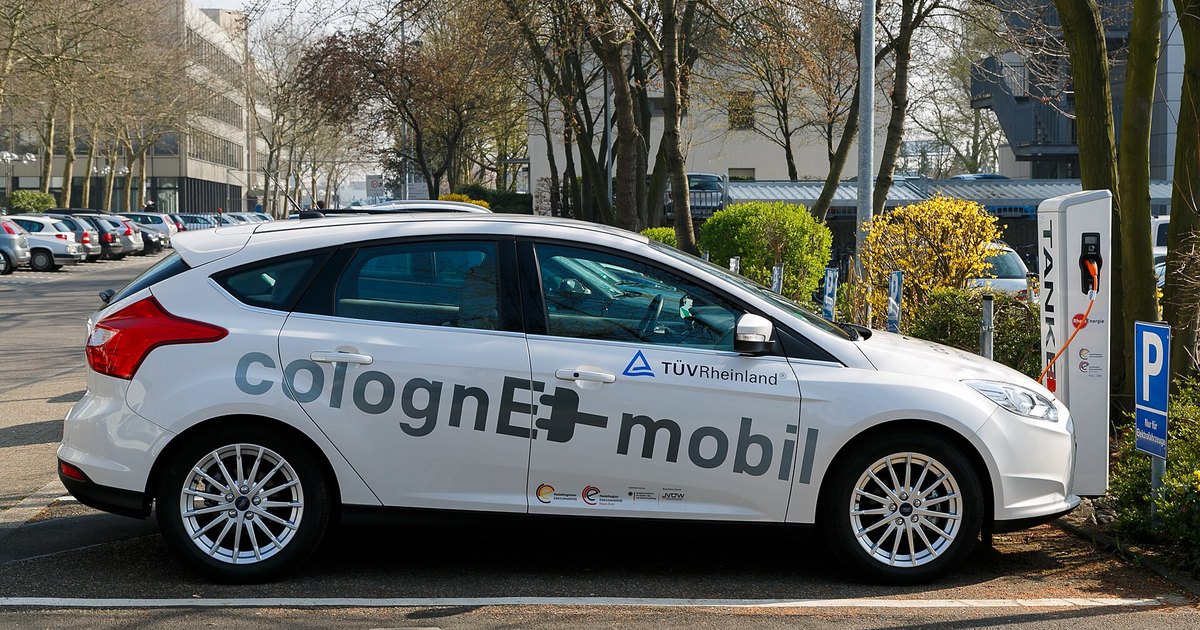 Photo: Wikimedia Commons (CC BY-SA 3.0)
What really sets how fast an electric car charges
Charging speed is not decided by the charger alone. The car's onboard charger, the battery's condition and the supply each set a limit.
Which car warning lights mean stop, and which can wait
Warning lights are grouped by colour: red means stop safely now, amber means check soon, and green usually means a system is simply on.