What the six levels of driving automation really mean
The 0 to 5 scale says who is driving, not how safe the car is. Here is what each level asks of the person behind the wheel, and where the handover gets hard.
The six levels of driving automation, numbered 0 to 5, describe how much of the driving task a car's system handles and who is responsible for the rest. The scale comes from recommended practice J3016, published by sae.org, which manufacturers and regulators use when they describe a feature. The catch is that a level is not fixed to a car. It belongs to the feature switched on at that moment.
Who does what at each level
J3016 lists six steps, and each moves a little more of the task from the person to the system.
- Level 0, no driving automation. Warnings and brief emergency braking only. The system does not drive.
- Level 1, driver assistance. The system handles either steering or speed, never both, and you monitor everything.
- Level 2, partial driving automation. Steering and speed together in some conditions, but you supervise and must be ready to take over at any moment.
- Level 3, conditional driving automation. Inside a defined area the system performs the whole driving task and can ask you to take back control with some warning.
- Level 4, high driving automation. Inside that area the system also handles the fallback, so no human takeover is expected.
- Level 5, full driving automation. The system can drive anywhere a person could, with no area limits.
The step from level 2 to level 3
Levels 1 and 2 keep you in the loop, watching the road with your hands close by. Level 3 asks you to stop watching, then to come back when the car requests it. sae.org revised the scale with ISO and added detail on exactly that boundary, because the handover is where the two levels differ. At level 4 the question disappears.
A level is not a safety score
Nothing in the scale says a system is good, or that it prevents crashes. It describes the division of labour, not the quality of the work. Nor does it say where the feature is meant to work. That is the operating design domain: the roads, speeds, weather and places a system was built for, usually narrower than buyers assume.
iihs.org, the US insurer-funded safety research group, scores partial automation systems partly on safeguards such as driver monitoring, and states plainly that fully driverless cars are not yet on sale to the public.
How to tell what your car does
The owner's manual is the honest source. If it says keep your hands on the wheel, watch the road and be ready to brake, the feature is level 1 or level 2 whatever the brochure calls it. Ask which conditions it was designed for, and what happens when those conditions end.
Bottom line: the level tells you who is driving, not how safe the car is. What the manual asks of you while the feature runs matters more than the number on the spec sheet.
More in Auto
What the numbers on a motor oil bottle really mean
A grade like 5W-30 packs two ratings into one short code. One describes how the oil flows when cold, the other how it behaves at running temperature.
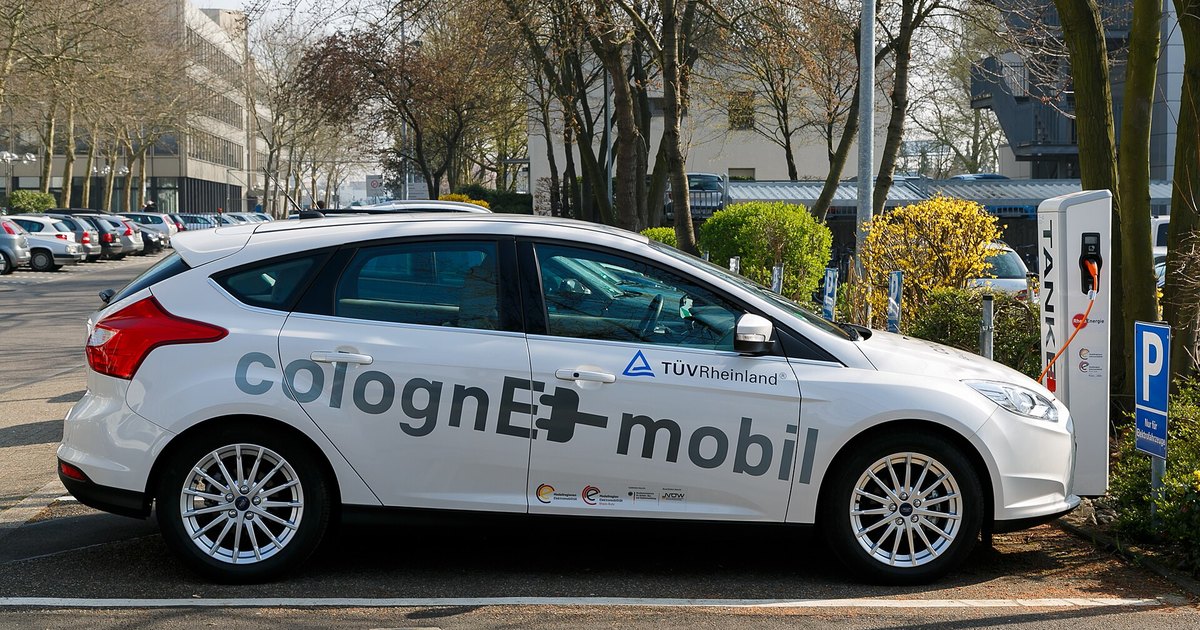 Photo: Wikimedia Commons (CC BY-SA 3.0)
What really sets how fast an electric car charges
Charging speed is not decided by the charger alone. The car's onboard charger, the battery's condition and the supply each set a limit.
Which car warning lights mean stop, and which can wait
Warning lights are grouped by colour: red means stop safely now, amber means check soon, and green usually means a system is simply on.