How to set payment terms that get you paid on time
Set your own payment terms, print an exact due date, and follow up on a fixed rhythm. Here is what the law allows when a business pays late.
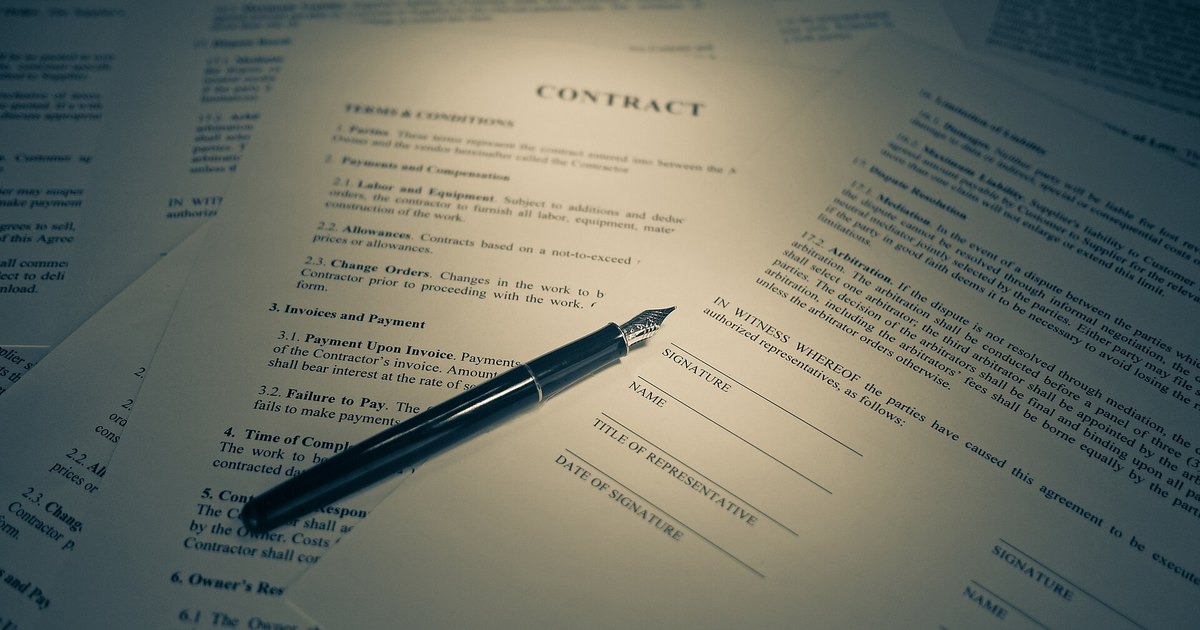 Photo: Wikimedia Commons (CC BY 2.0)
Payment terms decide when your money actually arrives. Leave them vague and most customers assume a month. Agree nothing at all and the law steps in with a default that is generous to the buyer. Clear terms, set before work starts, are the cheapest way to shorten the wait.
What the common terms mean
Due on receipt asks for payment as soon as the invoice lands. Net 15 and Net 30 give the customer 15 or 30 days from a stated starting point, normally the invoice date. Longer terms such as Net 60 are routine with large buyers but stretch your cash. An early payment discount such as 2/10 Net 30 reduces the price slightly if the customer pays inside 10 days, with the full amount due at 30.
Pick terms you can afford to wait for
Match the terms to the money you need while you wait. Ask new customers for a deposit before work starts and the balance on delivery. Split larger projects into milestones so cash arrives during the job instead of only at the end.
Print the exact date, not just the term
Net 30 is a rule, not a date, and people read it from different starting points: invoice date, month end, or receipt of goods. Put the calendar due date and the rule on the invoice together: due 12 October, Net 15 from invoice date. Where both sides are VAT registered, an invoice has to show how much is owed and when it must be paid, so an unclear invoice creates a problem for both sides. The obligation sits on gov.uk.
What the law gives you when a business pays late
In the UK, an agreed payment date for a business transaction usually has to fall within 60 days, and within 30 days when the customer is a public authority. With no date agreed, a payment is late 30 days after the customer gets the invoice, or after you deliver the goods or service if that is later. You can then charge interest on the overdue amount plus a fixed sum towards recovery costs. The rules and the current rates are set out on gov.uk. Rules differ outside the UK; this is general information, not legal advice.
Follow up on a fixed rhythm
Decide in advance what happens when a due date passes, so chasing is routine rather than personal. A short reminder a few days before the date, a factual note the day after, then a firmer follow-up a week later that names the interest you can charge. Keep the invoice, the contract and every message together, because a clear paper trail is what turns an awkward conversation into a simple one.
Bottom line. Set terms before the work starts, put the exact due date on every invoice, and treat the first late day as the start of a process rather than a reason to feel awkward.
More in Business
Sole trader or company: how to choose a business structure
Liability, tax, paperwork and how you raise money all follow from the structure you pick. Here is how sole traders, companies and partners compare.
 Photo: Wikimedia Commons (Public domain)
How to check a brand name before you commit to it
Search company registers and trademark databases in the right order, and know what a clean search can and cannot promise before you spend on branding.
How to build a cash flow forecast that holds up
A cash flow forecast tracks when money arrives and leaves, so a short month shows up early, while there is still time to do something about it.