How loud is too loud for your ears, and how to protect them
Everyday sound levels explained: where the 85 dBA hearing risk line sits, how to test noise without a meter, and the habits that protect your ears.
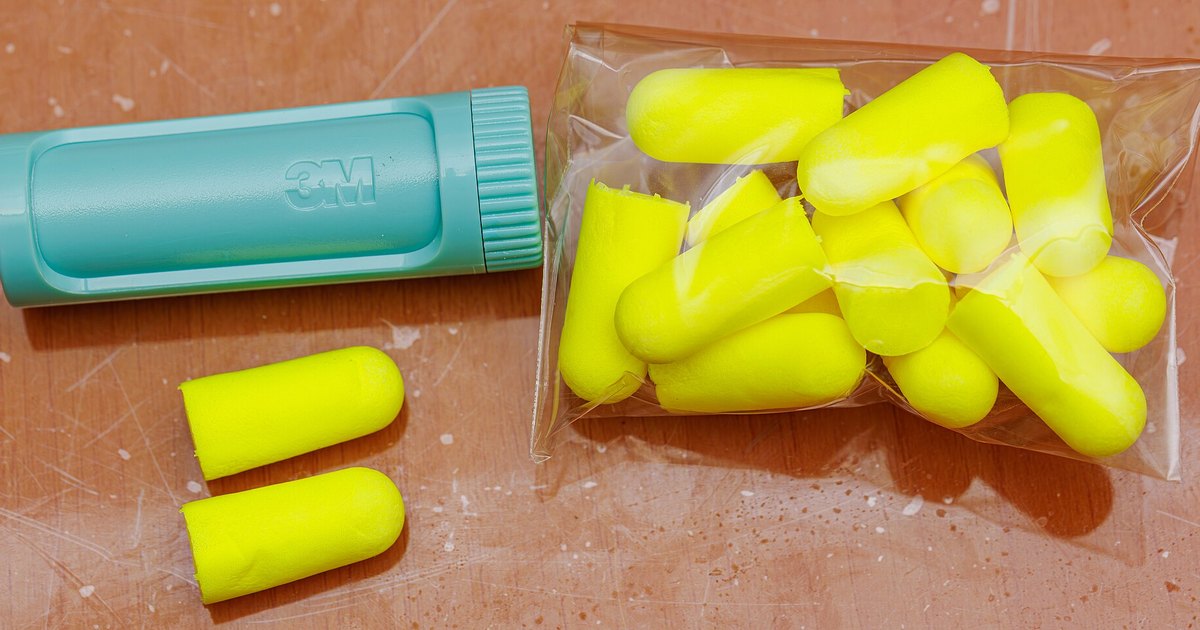 Photo: Wikimedia Commons (CC BY-SA 4.0)
Whether sound harms your hearing depends on how loud it is and how long you are exposed to it. Sounds at or below 70 A-weighted decibels (dBA) are unlikely to cause hearing loss even after long exposure, while long or repeated exposure at or above 85 dBA can damage hearing, according to the National Institute on Deafness and Other Communication Disorders (NIDCD). The practical rule: avoid noise that is too loud, too close and lasting too long.
Why the decibel scale surprises people
The decibel scale is not a ruler with even marks. Each 10 dB step is roughly a tenfold jump in sound energy and about twice as loud to the ear. That is why small-looking differences matter, and why time is the other half of the equation. The louder the sound, the less time it takes for damage to become possible.
Typical levels of everyday sounds
The NIDCD publishes average ratings for familiar situations:
- Normal conversation: 60 to 70 dBA
- Movie theatre: 74 to 104 dBA
- Motorcycles and dirt bikes: 80 to 110 dBA
- Headphones at maximum volume, concerts and sporting events: 94 to 110 dBA
- Sirens: 110 to 129 dBA
- Fireworks: 140 to 160 dBA
Many ordinary leisure activities sit well above the 85 dBA mark, and your distance from the source changes the number again.
A test you can do without a meter
The US Centers for Disease Control and Prevention (CDC) offers a rough field test. If you have to raise your voice to be heard by someone about three feet away, the background noise is probably around 85 dBA. If you have to shout, it is likely 95 dBA or higher. Lawn mowers, vacuums and power tools often fall in the 85 to 90 dBA band, which is why hearing protection is standard advice for repeated use.
What protection looks like in practice
- Move away from the source instead of standing next to it.
- Turn the volume down and take breaks rather than one long loud session.
- Use earplugs or earmuffs at concerts, races or while using loud tools.
For personal audio devices, the World Health Organization works with the International Telecommunication Union on a global safe listening standard that asks manufacturers to track a user's cumulative sound exposure and warn as the allowance runs down. The WHO also estimates that more than 1 billion young people aged 12 to 35 are at risk of hearing loss from recreational loud sound.
When to get your hearing checked
Ringing or a muffled feeling after a loud event is a sign the ears have been stressed. Noise-induced hearing loss is preventable, and a hearing test can show changes before they become obvious in daily conversation. This article is general information, not medical advice - see a doctor or audiologist if you have concerns.
Bottom line: keep loud sounds short, keep your distance, and use protection for the events and tools that regularly cross 85 dBA.
Sources: nidcd.nih.gov, cdc.gov, who.int