How to check a brand name before you commit to it
Search company registers and trademark databases in the right order, and know what a clean search can and cannot promise before you spend on branding.
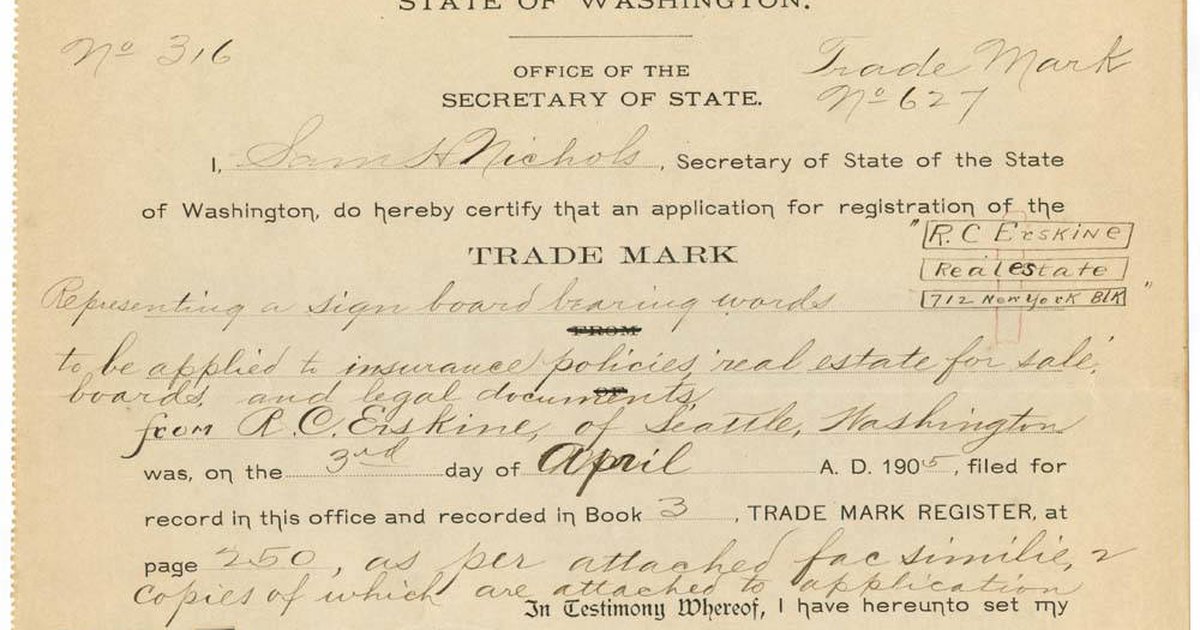 Photo: Wikimedia Commons (Public domain)
Choosing a brand name feels like a creative decision, but the expensive part is the check that follows it. Before you print signage, order packaging or pay for years of a domain, you can find out whether someone else already has a stronger claim to the same name. The checks below take about an hour and can save a full rebrand later.
Start with the company registers
Search the official company register for every market you plan to trade in. In the UK, the gov.uk register is free to search, and a company name cannot be the same as an existing registered company's name. A name that is merely too similar can still be challenged, and you may be told to change it if a complaint is upheld.
In the United States, company names are registered at state level, so check the secretary of state for each state where you will operate. Treat this step as a first filter. It removes obvious clashes, but it does not hand you ownership of the name.
Then search the trademark databases
This is the check that decides whether you can own the name. The uspto.gov federal trademark database holds millions of marks, and the office's own guidance is to run a clearance search before applying. For each result, ask two questions: is the mark confusingly similar to yours, and are the goods or services related to yours?
Marks can be confusingly similar if they look alike, sound alike, have similar meanings, or create a similar commercial impression. Related goods do not have to sit in the same class to block an application.
Do not stop at your home market
If you sell online, your real market is wider than your own country. wipo.int runs the Global Brand Database, which searches international registrations and national collections together by wording, by goods and services, by registration number, or by the look of a logo. A name that is free at home can be taken in the country that sends you the most traffic.
What a clean search does not promise
Only live marks can block a registration, so filter the dead ones out of your own results. Do not ignore them completely. A dead mark can still be in commercial use, and its owner may hold rights that come from use alone.
A clear search is also not a guarantee. The trademark office runs its own examination and may disagree with your conclusion, and filing fees are not refunded when an application fails.
Run the checks in this order
- Company registers for each market you trade in.
- Trademark databases for the goods and services you will actually sell.
- The open web, app stores and social handles for plain commercial use.
- Only then buy the domain, the signage and the packaging.
The bottom line: a name is only yours when the company register and the trademark databases both come back clear, so run those checks before you spend anything on branding.
More in Business
 Photo: Wikimedia Commons (CC BY 2.0)
How to set payment terms that get you paid on time
Set your own payment terms, print an exact due date, and follow up on a fixed rhythm. Here is what the law allows when a business pays late.
How to build a cash flow forecast that holds up
A cash flow forecast tracks when money arrives and leaves, so a short month shows up early, while there is still time to do something about it.
What founders should check in a first term sheet
Dilution, liquidation preference and control decide what a first term sheet really costs a founder, and which clauses are worth negotiating.